
Are games of chance more about luck or skill? An in-depth analysis
Understanding Games of Chance
Games of chance have captivated audiences for centuries, often blurring the lines between excitement and uncertainty. These games, which include popular forms like slots, bingo, and various card games, rely heavily on random outcomes. The fundamental question arises: to what extent is success in these games dictated by luck versus skill? Exploring the dynamics of these games can provide a clearer understanding of where the balance lies.
For many players, the thrill of anticipation combined with the randomness of results fosters a stimulating experience. A great example of this is plinko games, where players drop tokens into a board, allowing them to bounce through pegs before landing in pockets that determine their payout. While players may employ some choice in token placement, the ultimate outcome remains heavily randomized, highlighting the role of luck. This unpredictability adds excitement, as the stakes remain constantly in flux, keeping players on the edge of their seats.
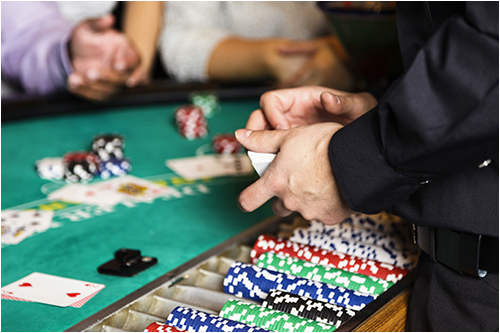
Moreover, the visual aesthetics and auditory elements of these games contribute greatly to the overall experience. Bright lights, upbeat music, and a lively atmosphere in brick-and-mortar casinos amplify the sense of adventure and anticipation, making the experience more engaging for players. This combination of sensory stimulation and chance creates an environment that captivates both casual gamers and seasoned gamblers alike, illustrating the broad appeal of games of chance.
The Role of Luck in Games of Chance
Luck is often the unmeasurable element that influences whether a player wins or loses. In games that strictly rely on chance, such as lotteries or roulette, every participant starts on equal footing, depending solely on the random outcomes of draws or spins. This randomness is essential, as it creates unpredictability that can either lead to monumental wins or disastrous losses. As such, the sheer excitement generated by the possibility of winning big can attract many to engage with these games repeatedly, regardless of the odds.
Moreover, the psychological aspect of luck plays a significant role. Players often maintain a belief in “lucky streaks” or “hot numbers,” which can impact their gameplay decisions. However, these beliefs can be misleading; the inherent randomness in these games means that past outcomes have no influence on future events, underscoring the dominance of luck. As many players continue to chase these perceived luck patterns, it highlights how the allure of potential victory can override rational thinking.
The Influence of Skill in Certain Games
While luck is a significant factor, skill can also play a crucial role in many games of chance. For instance, poker is frequently cited as a game that combines both elements. Experienced players often possess a strategic mindset, allowing them to make calculated decisions based on probabilities, opponent behavior, and their own hand strength. This skillful approach can provide players with a better chance of winning over the long term. A player’s ability to read others and manage their own emotions can drastically affect outcomes in competitive scenarios.
Other games, like blackjack, also demonstrate the influence of skill. Players can employ strategies such as card counting or basic strategy to improve their odds versus the house. Although luck will still dictate individual hands, the application of skill can lead to a more favorable expected outcome over time. The possibility of utilizing strategic thought processes transforms the gambling experience from mere chance to one of calculated risk, which can be both exciting and intellectually stimulating for players.
The Psychological Perspective: Luck vs. Skill
From a psychological standpoint, the perception of luck and skill varies among players and can affect their gambling behavior. Some individuals embrace the randomness of luck, indulging in games solely based on chance. Others gravitate towards games that allow for skill and strategy, believing they can influence outcomes. This difference in approach can shape a player’s experience and potentially their financial success. Understanding the psychological makeup of a player can provide insights into their gaming habits and preferences.
Furthermore, understanding the psychological impact of luck can lead to more informed decision-making. Players who recognize that only some games rely on skill may approach gambling with a different mindset, potentially leading to more responsible gaming behaviors. By understanding their tendencies towards luck or skill, individuals can better navigate the gaming landscape. This understanding can also help set realistic expectations and avoid the common pitfalls of gambling impulsivity.
Conclusion: Finding Balance in Gaming
In conclusion, games of chance represent a fascinating interplay between luck and skill. While many games hinge on random events, skill cannot be entirely dismissed, especially in those games that offer players the ability to strategize. Recognizing the nuances between these two elements can enhance a player’s understanding of their favorite games and illicit experiences. This duality enriches the gaming environment and fosters a deeper appreciation for the variety of games available to players.
For those looking to explore the world of games further, with both luck and skill in play, researching platforms and understanding gameplay are essential. From traditional casinos to online environments, players can maximize their enjoyment and perhaps even their returns by delving deeper into the mechanics behind these games. Embracing both luck and skill ultimately leads to a richer gaming experience, allowing players not only to pursue success but also to enjoy the journey along the way. With the right mindset and comprehension of the role each element plays, players can cultivate a more rewarding relationship with games of chance.