
Exploring the cultural impact of casinos on society’s perception of luck and chance
The Evolution of Gambling and Its Cultural Significance
Casinos have long been a part of human culture, tracing back thousands of years to ancient civilizations that engaged in various forms of chance-based entertainment. From the early dice games in Mesopotamia to the opulent gambling houses of Venice, the concept of luck has permeated societal narratives. As societies evolved, so too did the sophistication and complexity of gambling, evolving into the modern-day casinos we know today, which blend entertainment, luxury, and risk. Among the best options are top online casinos that reflect this evolution with innovative gaming experiences.
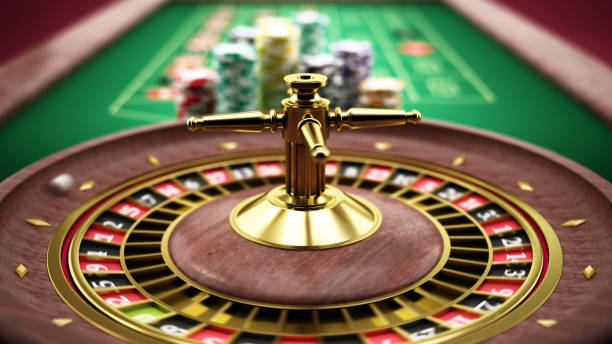
This evolution reflects not just a change in the types of games played, but also a shift in how luck is perceived. The allure of casinos taps into the deep-rooted human fascination with chance and fortune, fostering a culture that celebrates both the thrill of winning and the lessons learned from losing. In many ways, casinos have become microcosms of life, where risk and reward coalesce in a vibrant social tapestry.
The Psychological Effects of Gambling on Perceptions of Luck
The environment of a casino significantly influences how individuals perceive luck. With their bright lights, upbeat music, and visually stimulating games, casinos create an atmosphere that heightens excitement and can alter one’s perception of probability. Gamblers often develop superstitions and personal rituals, believing that certain actions or objects can influence their fate. This psychological phenomenon shows how cultural narratives around luck and chance are reinforced within these spaces.
Moreover, the thrill of winning can lead to a distorted view of probability, as individuals may attribute their victories to skill or luck rather than acknowledging the inherent randomness of games. This skewed perception can lead to an increased desire to gamble, as players chase after the euphoric highs associated with winning, further entrenching their beliefs about luck.
The Social Dynamics of Casinos and Community Building
Casinos are more than just places to gamble; they serve as social hubs where individuals from diverse backgrounds come together. This communal aspect can enhance one’s understanding of luck as a shared experience. Celebrating wins together or commiserating over losses fosters a sense of belonging and collective identity, which can shape societal views on chance. Within these environments, stories of remarkable wins or epic failures are shared, creating a cultural narrative that reinforces the mystique of luck.
Furthermore, casinos often support local economies and foster community engagement through jobs and entertainment. This economic impact can strengthen community ties, intertwining the concept of luck with broader social and financial narratives. As such, the casino experience is not just about individual fortune, but also about community cohesion in the face of chance.
The Role of Media and Popular Culture in Shaping Perceptions
Media plays a critical role in shaping societal perceptions of luck and chance, particularly in relation to casinos. Films, television shows, and books often romanticize gambling, presenting it as an exciting and glamorous activity. This portrayal can skew public perception, making gambling appear more favorable than it might be in reality. The dramatization of high-stakes games often emphasizes luck as a pivotal factor, further embedding these notions into popular culture.
Additionally, social media platforms allow for the sharing of personal gambling stories, amplifying the narratives surrounding luck. Gamblers frequently post about their wins, creating a feedback loop that can affect how others view their own chances. The portrayal of gambling in media and personal narratives highlights the cultural significance of luck, reinforcing the belief that fortune favors the brave—or the lucky.

Exploring Online Casinos and Their Cultural Relevance
The rise of online casinos has transformed the gambling landscape, making it more accessible than ever. As individuals engage in these digital platforms, the cultural impact of casinos continues to evolve. Online gaming encapsulates the thrill of chance while integrating elements of convenience and privacy, appealing to a wider audience that may have been hesitant to visit traditional casinos.
This transition to online casinos also invites a re-examination of luck and chance in the digital age. With advanced algorithms and random number generators, the perception of fairness and randomness is constantly discussed among players. Ultimately, as online platforms grow, they contribute to the ongoing cultural discourse surrounding luck and chance, reflecting broader societal changes in how we view these concepts in an increasingly connected world.