
Investigating the psychological factors in gambling addiction
The Nature of Gambling Addiction
Gambling addiction is a complex psychological disorder characterized by an overwhelming urge to gamble, despite the negative consequences that may arise. This compulsive behavior often leads individuals to prioritize gambling over personal relationships, work responsibilities, and financial stability. The psychological underpinnings of gambling addiction are multifaceted, involving a combination of emotional, cognitive, and social factors that can significantly impact an individual’s mental health. For those interested in alternative gaming options, bitcoin casinos offer a different avenue for exploration.
At its core, gambling addiction often stems from a desire to escape reality or cope with emotional distress. Many individuals turn to gambling as a form of relief from stress, anxiety, or depression. This escapism can create a vicious cycle; the initial thrill and temporary euphoria associated with winning may reinforce the behavior, making it increasingly difficult for the individual to recognize the harmful implications of their actions. Understanding these factors is essential for developing effective prevention and treatment strategies.
Cognitive Distortions in Gambling
Cognitive distortions play a critical role in perpetuating gambling addiction. These include erroneous beliefs about luck, control, and the perceived ability to predict outcomes. Many individuals fall prey to the “gambler’s fallacy,” believing that past losses increase the likelihood of future wins. This misguided thinking can lead to continued gambling despite mounting losses, contributing to the development of an addiction.
Furthermore, individuals with gambling addiction often exhibit confirmation bias, focusing only on wins while ignoring the losses. This selective memory reinforces their belief that they can beat the odds. By recognizing these cognitive distortions, individuals can begin to challenge their beliefs about gambling, which is a crucial step towards recovery.
The Role of Emotions and Triggers
Emotions significantly influence gambling behavior. Many individuals gamble to alleviate feelings of boredom, loneliness, or sadness. Situational triggers, such as financial stress, relationship issues, or even celebratory events, can prompt an individual to gamble as a means of coping or finding excitement. This connection between emotional states and gambling can lead to a repetitive cycle, where negative emotions drive gambling, which in turn leads to more significant emotional distress due to losses. 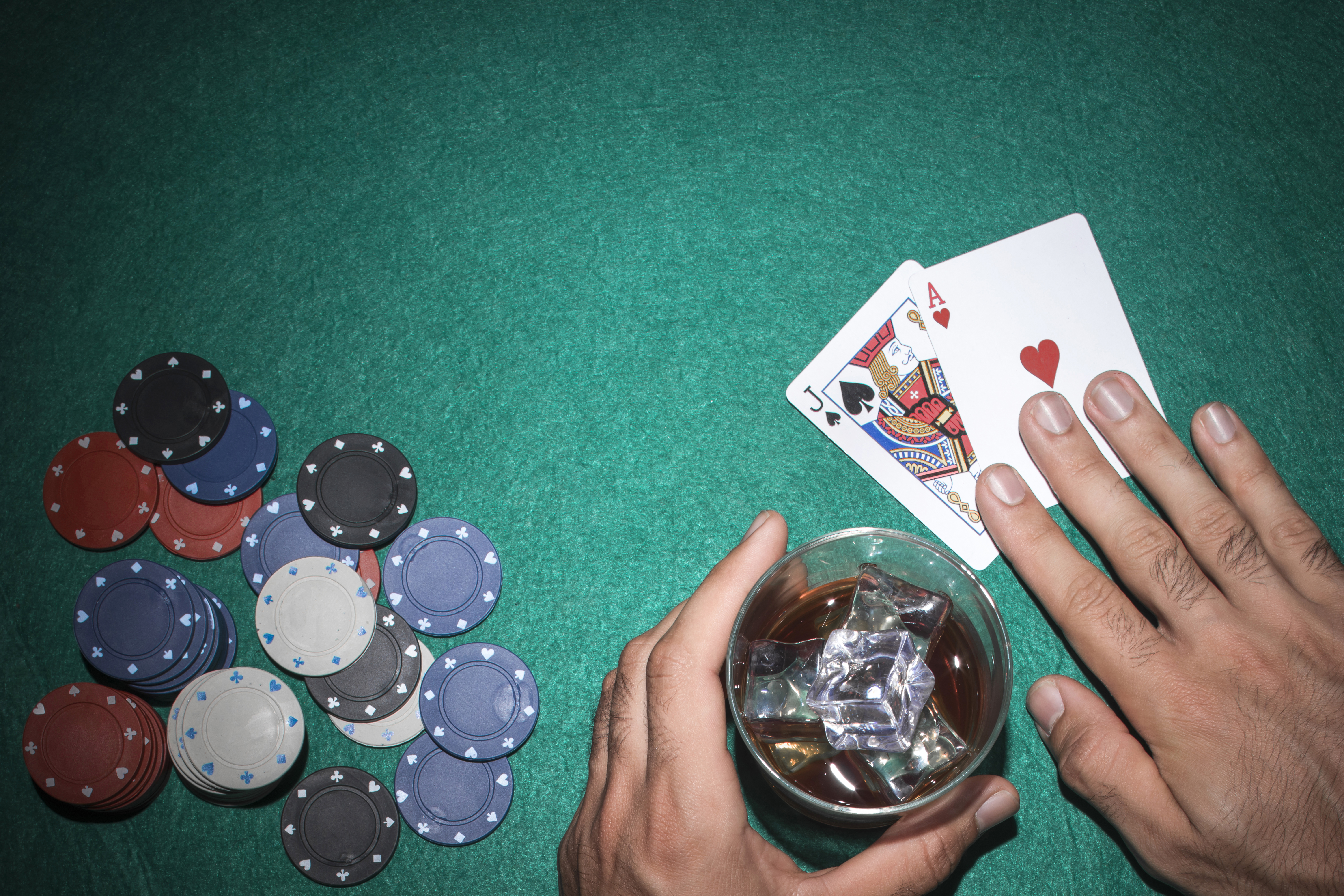
Effective treatment often involves addressing these emotional triggers and teaching individuals healthier coping mechanisms. Therapy options, such as cognitive-behavioral therapy (CBT), can help individuals recognize their emotional triggers and develop strategies to manage their feelings without resorting to gambling. Through these methods, individuals can break free from the cycle of addiction.
Support Systems and Recovery
Support systems are vital for those struggling with gambling addiction. Friends, family, and support groups can offer crucial emotional backing, making it easier for individuals to confront their addiction. Open communication about the struggles associated with gambling can foster understanding and compassion, aiding in the recovery process.
Additionally, professional help from psychologists or addiction specialists can provide individuals with the tools they need to navigate their recovery journey. Therapeutic approaches tailored to gambling addiction can empower individuals to regain control over their lives and establish healthier habits. This multi-faceted support network can be instrumental in achieving long-term recovery.

Discover More About Gambling Addiction and Recovery
To fully understand the complexities of gambling addiction, it’s essential to explore resources that offer comprehensive information and support. Our platform is dedicated to providing insights into the psychological factors that contribute to gambling addiction, as well as effective recovery strategies. We believe that educating individuals about the nuances of this disorder can pave the way for healthier gaming habits and improved mental health.
By prioritizing awareness and understanding, we aim to create a supportive community for those affected by gambling addiction. Our resources are designed to empower individuals with the knowledge they need to make informed decisions about their gambling behavior, ensuring a safer and more responsible gaming experience. Join us in exploring the vital intersection of psychology and gambling, and take the first step towards recovery today.